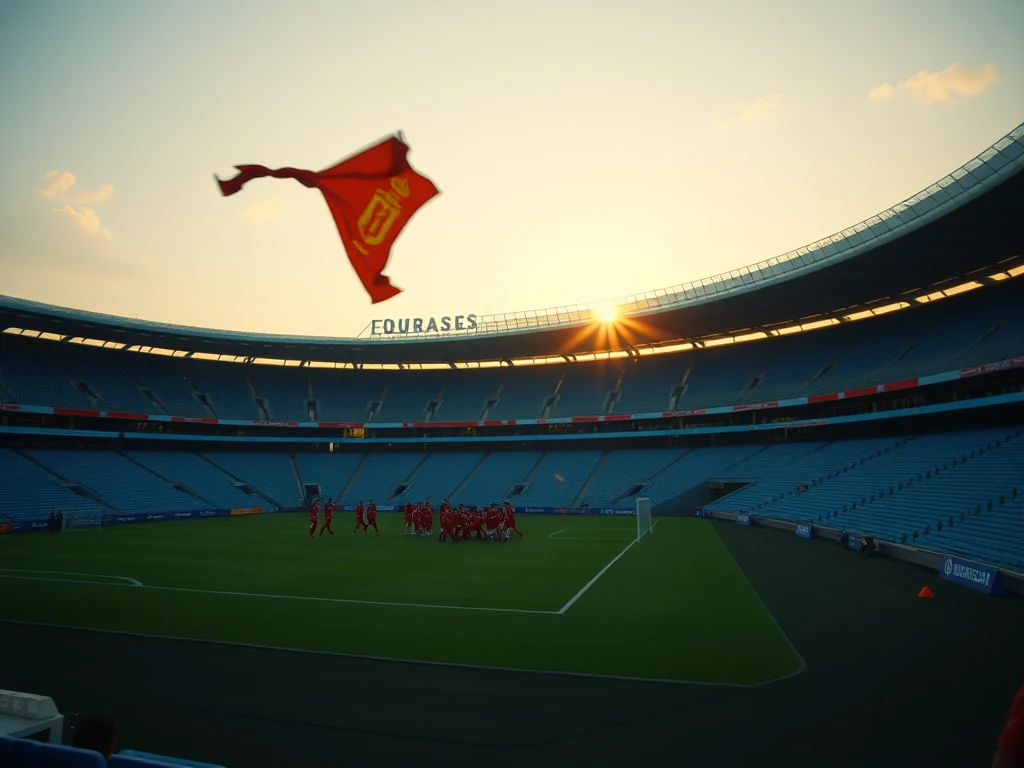
Assessing Scotland's Tactical Evolution Ahead of the World Cup
As the Tartan Army gears up for their long-awaited return to the FIFA World Cup in 2026, it is essential to look at the tactical evolution of Steve Clarke's side. Recent performances have showed moments of brilliance, but they also highlight tactical shortcomings that could be exploited by more seasoned opponents. By analyzing Scotland's recent form and suggesting some tactical tweaks, we can better understand how they might maximize their potential on football's biggest stage.
Recent Tactical Form
Scotland's recent matches have been a mixed bag, with flashes of attacking creativity often overshadowed by lapses in defensive organization. The team's preferred formation, a 3-5-2, has allowed for fluid attacking play with two strikers, but it has also exposed vulnerabilities in transition. With wing-backs pushing high up the pitch, the back three has occasionally been left isolated, particularly against teams that press aggressively.
Take the recent friendly against Curaçao, for example. Scotland dominated possession and created several goal-scoring opportunities, but the inability to transition quickly from attack to defense left them vulnerable to counter-attacks. This was particularly evident when the wing-backs were caught out of position, leading to a few heart-in-mouth moments for the Tartan Army.
Suggested Tactical Tweaks
To improve their chances in the World Cup, Clarke might consider a few tactical adjustments:
Transitioning to a More Balanced Formation
While the 3-5-2 formation has its merits, a more balanced 4-2-3-1 setup could provide the stability needed against stronger opposition. This would allow for two holding midfielders to better shield the defense, while the attacking quartet could maintain creativity and fluidity . Players like Scott McTominay and John McGinn would thrive in a double pivot, providing a robust midfield presence that can break up opposition play.
Emphasizing Defensive Cohesion
In addition to shifting the formation, increasing the communication and cohesion among the back line will be key. Players like Kieran Tierney and Andy Robertson need to ensure they maintain their defensive responsibilities while providing width. Encouraging them to track back more diligently will help mitigate counter-attacks, allowing the team to maintain its shape and composure under pressure.
Maximizing Set-Piece Potential
Scotland has historically been a strong set-piece team, and harnessing this aspect could be a big change. Training sessions leading up to the tournament should focus on rehearsing various set-piece scenarios, both offensively and defensively. With players like Grant Hanley and Jack Hendry, who excel in the air, capitalizing on corners and free-kicks could provide Scotland with a critical edge in tight matches.
Tactically Flexible Substitutions
Finally, tactical flexibility during matches will be essential. Clarke should consider making substitutions based on the flow of the game rather than sticking to a predetermined plan. The ability to adapt the formation or personnel based on the opposition's strengths or weaknesses could prove vital in tight contests.
Conclusion
As the Tartan Army prepares to make their mark on the World Cup stage, understanding the tactical nuances of their recent form is most important. By implementing these suggested tweaks, Scotland can enhance their competitiveness and remind the world why they are regarded as one of football’s storied nations. With the right adjustments, the Tartan Army could indeed embark on a memorable journey in 2026.