Scotland's 1990 World Cup Journey: A Tale of Resilience and Hope
As the 1990 FIFA World Cup approached, anticipation filled the air for the Tartan Army, who were eager to see their beloved Scotland grace the international stage once again. Following a tumultuous period that included a disheartening absence from the previous World Cup in 1986, the nation looked to rekindle its footballing pride in Italy. Under the guidance of manager Andy Roxburgh, expectations were cautiously optimistic.
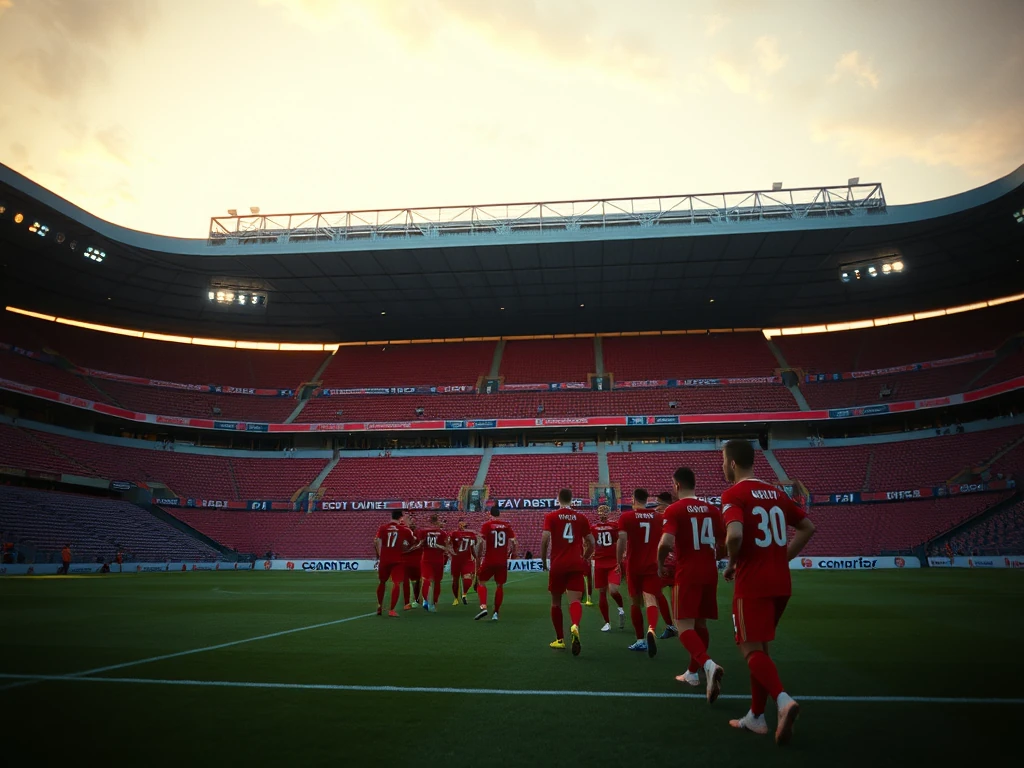
Scotland's campaign began in Group D, where they were drawn alongside Brazil, Sweden, and Costa Rica. Their opening match against Costa Rica on June 9, 1990, was a moment filled with promise, as the Tartan Army filled the stands in Turin, their voices echoing the hopes of a nation. However, the match ended with a surprising 1-0 defeat, a bitter pill to swallow for fans who had traveled thousands of miles to support their team.
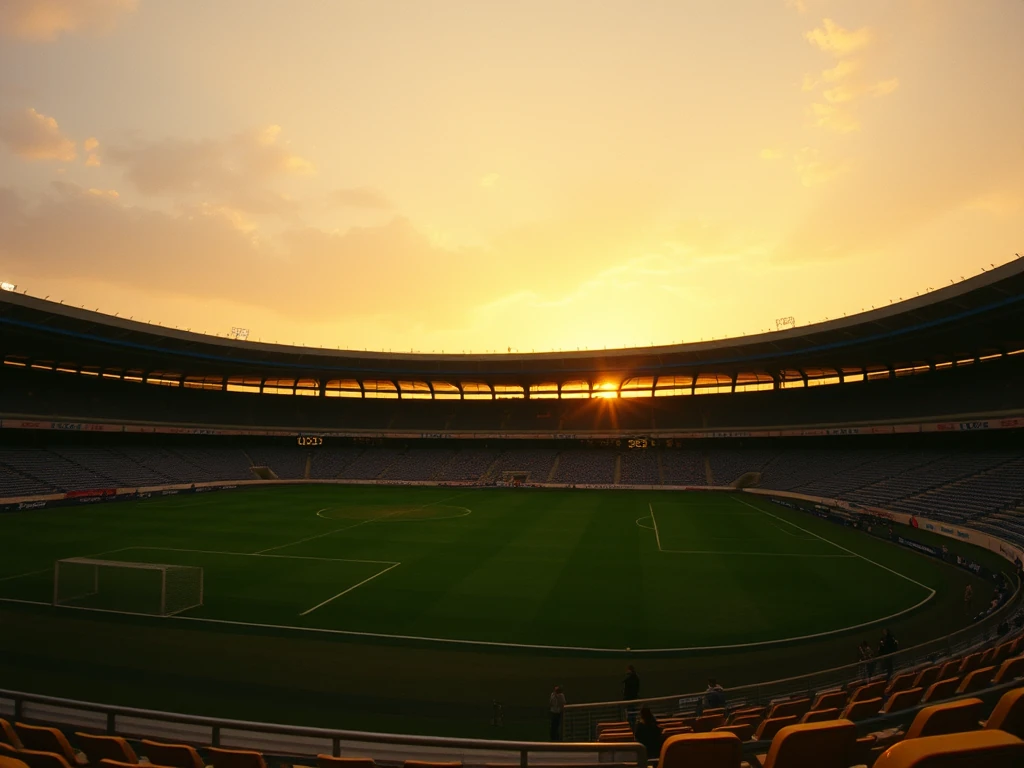
The second match against Sweden saw Scotland bounce back with determination. A hard-fought 1-1 draw kept their World Cup hopes alive, but the looming challenge of facing Brazil in their final group match felt like an insurmountable task. The encounter took place in the iconic Stadio di Napoli, where the Tartan Army once again turned out in full force, their unwavering support palpable in the vibrant atmosphere. Although Scotland lost 1-0 to the footballing giants, the performance was commendable.
Despite finishing fourth in their group, Scotland's exit from the tournament wasn't without its highlights. The Tartan Army's spirit, characterized by their famous songs and unwavering support, resonated throughout Italy, leaving a lasting impression on both the locals and fellow fans. This World Cup was significant not only for the results on the pitch but for the way it united supporters in a shared experience of hope and camaraderie.
Reflecting on that tournament, it is clear that the 1990 World Cup served as a crucible for the Tartan Army. The lessons learned from the matches, combined with the passion exhibited by the fans, forged a sense of resilience that would carry Scotland into future tournaments. The Tartan Army proved once again that football is more than just a game; it is a cultural phenomenon that brings people together, igniting a shared love for the sport.
As we approach the FIFA World Cup 2026, it is essential to acknowledge the historical moments that have shaped Scotland's footballing narrative. The 1990 campaign, while not yielding the desired success, serves as a reminder of the spirit and determination inherent to the Tartan Army. As they prepare to embark on a new adventure in the United States, the echoes of past challenges will undoubtedly inspire the next generation of Scottish footballers and fans, reminding them that every setback is but a stepping stone towards greater glory.