 Scotland Hub
A Crucial Moment for Scotland's World Cup Aspirations
As the Tartan Army gears up for the upcoming qualifiers for the FIFA World Cup 2026, the absence of key players like Diogo Jota and Bernardo Silva looms large. In a recent interview, Scotland captain Andy Robertson opened up about the challenges posed by these significant losses. The stakes have never been higher for Scotland as they seek to secure their place on football's biggest stage.
Robertson's insights shed light on the resilience required from the squad and the potential impact on their performance. With the qualifiers fast approaching, the team must adapt quickly to the shifting landscape of their player availability.
Key Player Losses: Jota and Silva
In modern football, the loss of influential players can dramatically alter a team's dynamics and strategy. Both Jota and Silva have been pivotal in their respective positions, contributing not only with goals but also with creativity and leadership on the pitch. Their absence will undoubtedly require Scotland to rethink their tactical approach.
- Diogo Jota has been a standout performer for both club and country, known for his pace and ability to score under pressure.
- Bernardo Silva, with his exceptional dribbling skills and vision, brings a unique playmaking ability that is hard to replace.
Robertson emphasized that while the team will miss their contributions, it also presents an opportunity for other players to step up and showcase their talents. This is a chance for emerging players to prove their worth on an international stage.
The Challenge Ahead for the Tartan Army
Scotland's journey towards World Cup 2026 qualification is fraught with challenges, and the absence of Jota and Silva could not come at a more critical time. The squad needs to maintain its momentum from previous qualifying campaigns, which have seen them perform admirably against tough opposition.
The upcoming fixtures will test the depth of the squad and the tactical acumen of manager Steve Clarke. With matches lined up against formidable opponents, Scotland cannot afford to be complacent. Robertson's leadership will be crucial in maintaining team morale and focus.
- Scotland’s next qualifiers include critical matches against Norway and Georgia.
- The team aims to build on their previous successes, including a strong showing at the UEFA Euro 2020, where they made a significant impact.
Tactical Adjustments: Filling the Gap
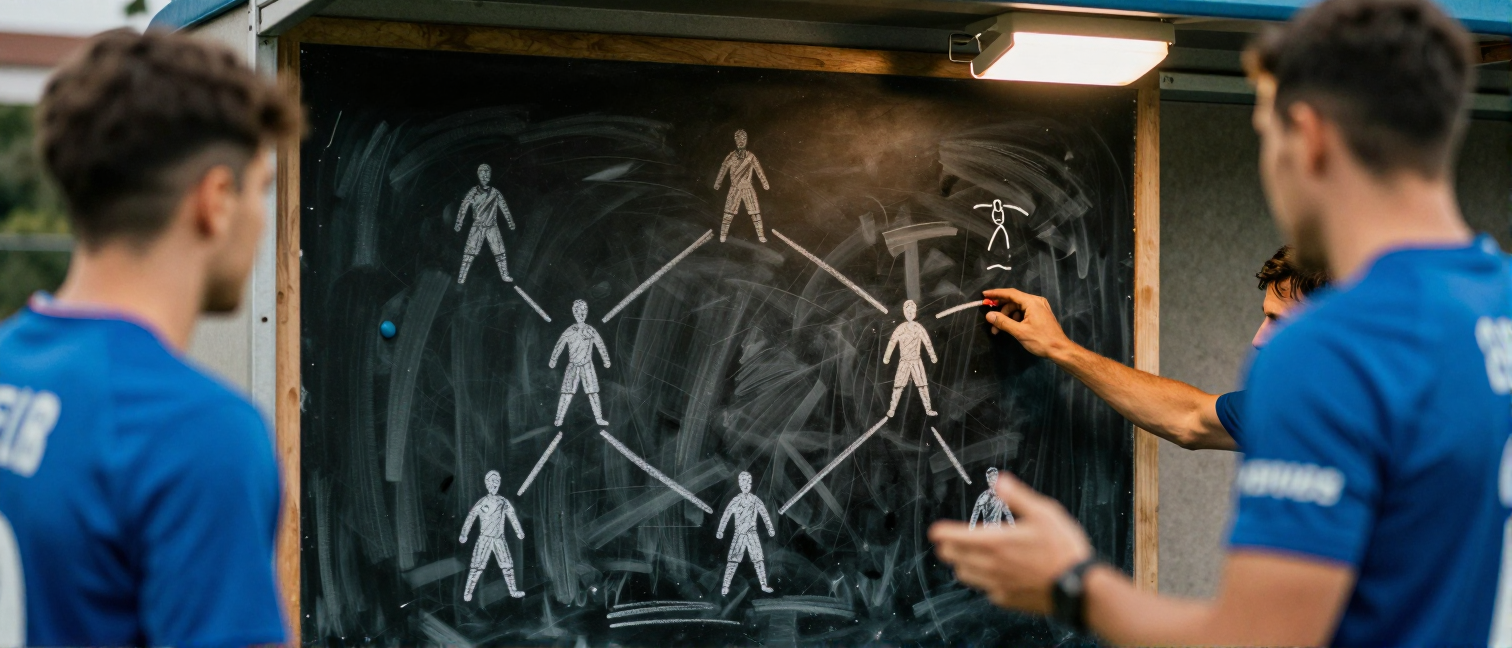
With the absence of Jota and Silva, it’s imperative for Clarke to adapt his tactics. The team may need to embrace a different style of play, potentially shifting to a more defensive setup or focusing on counter-attacks.
Robertson hinted at the necessity for every player to be prepared to take on additional responsibilities. This is a moment where squad depth will be tested to the fullest.
- Ryan Christie and Lyndon Dykes may be called upon to fill the void left by Jota’s attacking prowess.
- Creative midfielders like Scott McTominay must step up to provide the necessary support in the transition from defence to attack.
The ability to adapt quickly will be crucial for Scotland as they prepare for the intense environment of World Cup qualifiers.
Fan Reaction: The Tartan Army's Support
The reaction from the Tartan Army has been a blend of concern and optimism. Fans recognize the challenge posed by the absence of key players but are also aware of the depth and potential within the squad.
Social media platforms have been buzzing with discussions around potential replacements and tactical adjustments. Fans are eager to see how Scotland will cope without two star players and whether new talent can emerge to fill the gap.
- Many supporters are rallying behind the squad, emphasizing the importance of unity in overcoming adversity.
- The fanbase remains hopeful that the team can harness their collective experience and skill to navigate this challenging period.
Robertson's acknowledgment of the fans' unwavering support is a reminder that the Tartan Army plays an integral role in motivating the team, especially during tough times.
The Wider Championship Picture
Scotland's campaign for the FIFA World Cup 2026 is set against a backdrop of fiercely competitive qualifying rounds. The group stages will not only test individual teams but also highlight the shifting power dynamics within European football.
The loss of Jota and Silva adds another layer of complexity to an already challenging scenario. Other teams in their group are also strengthening, making every match crucial for Scotland's aspirations of qualification.
- Norway, led by star player Erling Haaland, will be a particularly tough opponent, showcasing a potent attacking threat.
- Georgia has proven to be unpredictable, often capable of surprising established teams with their tenacity and skill.
The upcoming fixtures will be critical, and how Scotland adapts will determine their success in securing a spot in the next World Cup.
What's Next
As the qualifiers draw closer, Scotland must quickly find a way to adapt to the loss of Jota and Silva. The upcoming matches will serve as a litmus test for the squad's resilience and depth. With Andy Robertson at the helm as captain, the team is positioned to pull together in the face of adversity.
The Tartan Army will be watching closely, ready to support their team as they embark on this challenging journey towards FIFA World Cup 2026. The road ahead is tough, but with unity and determination, Scotland can achieve their goal of qualifying for the tournament and making their mark on the world stage.