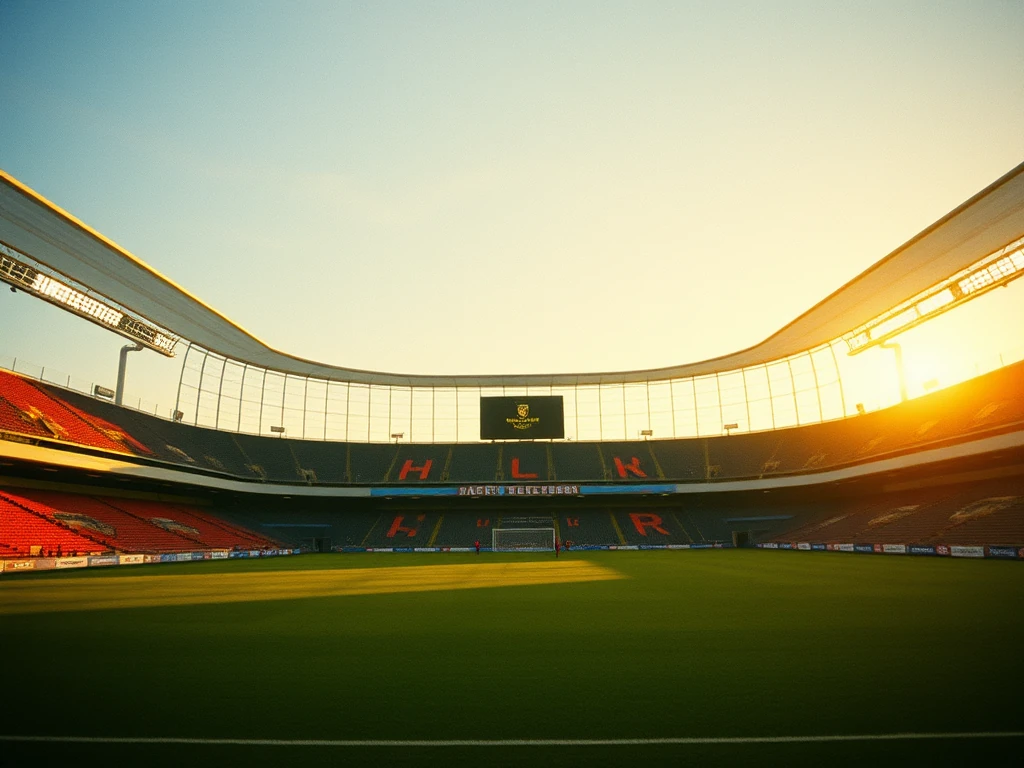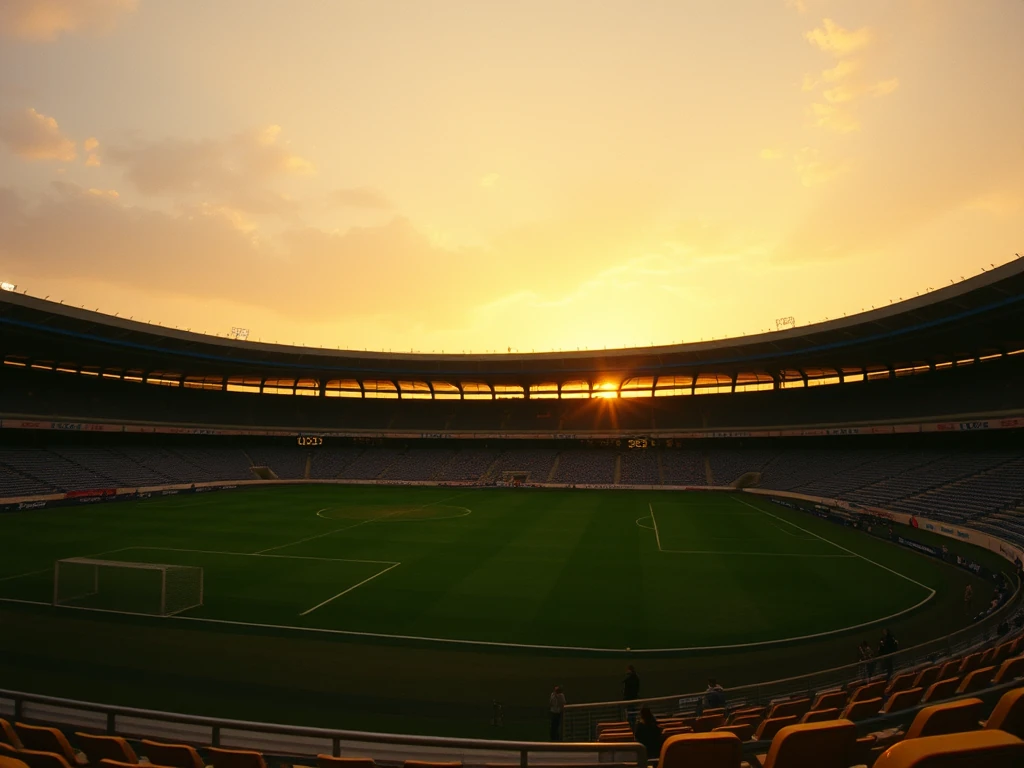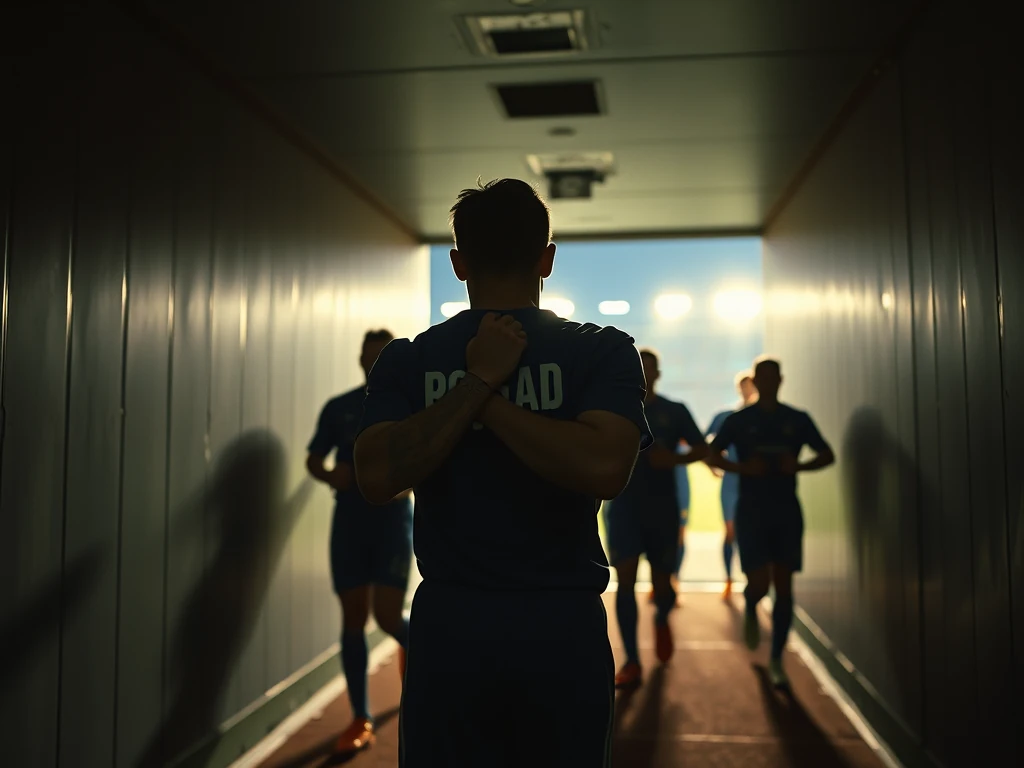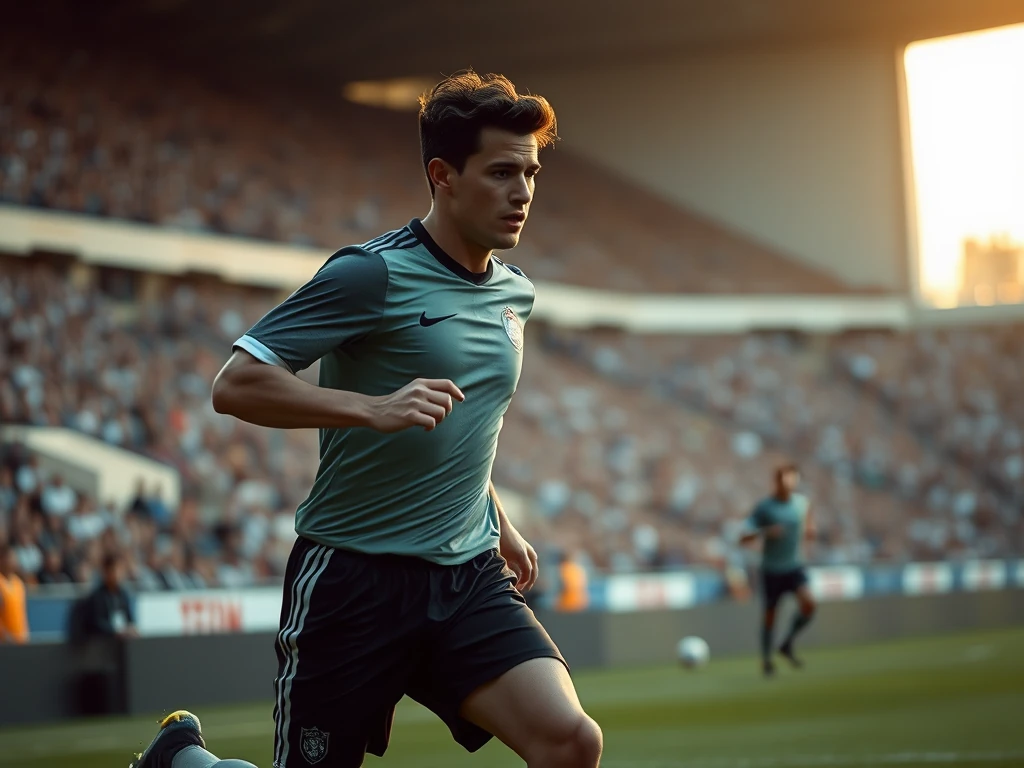
Scotland's national football team is officially back on the world stage. The announcement of the 26-man squad for the tournament has sent waves of excitement through the Tartan Army and the entire nation, stirring memories of past glories and dreams of future success. With a blend of seasoned professionals and emerging talents, Scotland's journey to the FIFA World Cup 2026 is not only a return; it’s a statement of intent.
The Road to the World Cup: A Historic Journey
Scotland's absence from the World Cup since 1998 has been a long and arduous road. The team has faced numerous challenges, including a turbulent period of underachievement and a lack of consistency in performances. However, recent years have seen a resurgence, culminating in a remarkable qualification campaign for the upcoming tournament.
Under the guidance of manager Steve Clarke, Scotland has rebuilt its reputation on the international stage. Key victories in the UEFA Euro 2020 qualifiers and a strong showing in the Nations League laid the groundwork for this World Cup qualification. The team showed resilience, teamwork, and a tactical approach that has become Clarke's hallmark. Notably, Scotland secured key wins against formidable opponents.
Squad Analysis: Blending Youth and Experience
The selection of the 26-man squad reflects Clarke's strategy of combining youth and experience, with a focus on versatility and tactical adaptability. The squad features a core of experienced players who have previously donned the national jersey, alongside promising talents ready to make their mark.
Key players like Andrew Robertson, John McGinn, and Kieran Tierney bring leadership and quality, while younger stars such as Billy Gilmour and Nathan Patterson inject fresh energy into the team. This blend is key as Scotland prepares to face some of the world's best teams in the tournament.
- Key Players in the Squad:
- Andrew Robertson (Liverpool) - Captain and defensive stalwart.
- John McGinn (Aston Villa) - Midfield dynamo with a knack for goals.
- Kieran Tierney (Arsenal) - Versatile defender with international experience.
- Billy Gilmour (Brighton) - Young midfielder known for his vision and creativity.
- Nathan Patterson (Everton) - Rising full-back with pace and skill.
Tactical Breakdown: Clarke's Game Plan
Steve Clarke's tactical approach has evolved to suit the strengths of his squad. Known for his pragmatic style, he often employs a solid defensive structure while allowing for fluid attacking transitions. The team's formation typically revolves around a 3-5-2 or 4-2-3-1, depending on the opponent.
In midfield, Scotland will rely on the tenacity of John McGinn and the creativity of Billy Gilmour to control the game and dictate the pace. The wing-backs, especially Andrew Robertson and Kieran Tierney, will be key in providing width and delivering crosses into the box. With a strong defensive unit, including Scott McTominay and Grant Hanley, Scotland aims to be difficult to break down while remaining a threat on the counter-attack.
What It Means for Scotland: A Nation United
The return to the World Cup stage is about more than just football; it symbolizes hope and unity for Scotland. The Tartan Army has been a loyal supporter of the national team through thick and thin, and this momentous occasion will be a celebration of national pride.
As Scotland prepares to face its opponents in the group stage, the significance of representing the country on such a grand platform cannot be overstated. The players understand the weight of the shirt they wear, and the expectations that come with it. The prospect of playing against the likes of Brazil, Germany, or Argentina is not only daunting; it’s exhilarating.
Fan Reaction: Uniting the Tartan Army
The announcement of Scotland's World Cup squad has ignited a wave of enthusiasm among fans. Social media platforms are abuzz with reactions, as supporters express their pride and anticipation for the tournament. The Tartan Army, known for their vibrant spirit and unwavering support, is gearing up for a journey that will see them travel thousands of miles to cheer on their team in North America.
Fans are already planning gatherings, wearing their national colours, and creating chants to rally behind the team. The sense of community and shared experience is palpable, as supporters from all corners of the country unite to support their players. This World Cup is not only a sporting event; it’s a celebration of Scottish identity, culture, and resilience.
The Wider Championship Picture: Scotland in Context
Scotland's return to the World Cup also has implications for the broader context of international football. The team’s participation highlights the growing competitiveness of nations outside the traditional powerhouses. With countries like Denmark, Wales, and Portugal also making strides, Scotland’s journey reflects a shift in the footballing landscape.
The tournament will shows a new generation of talent, and Scotland's presence is a sign that football can unite nations, transcending borders and cultures. As the Tartan Army prepares to march into the stadium, they carry with them the dreams of a nation eager to reclaim its place among the elite.
What's Next
With the group stage draw approaching, fans and players alike are eager to discover Scotland's opponents. The tournament kicks off in June 2026, and preparations will be ramped up as the team gears up for the challenge ahead.
As the Tartan Army readies itself for the journey, there’s a renewed sense of optimism and purpose. Scotland is back on the world stage, ready to make its mark and inspire future generations of players and fans. The road ahead is filled with challenges, but together, the nation stands united, ready to support its team in pursuit of glory.