
Scotland’s disappointing World Cup finish has triggered a fresh debate on the nation’s football structure, as former captain Paul Lambert argues a youth‑focused overhaul is overdue.
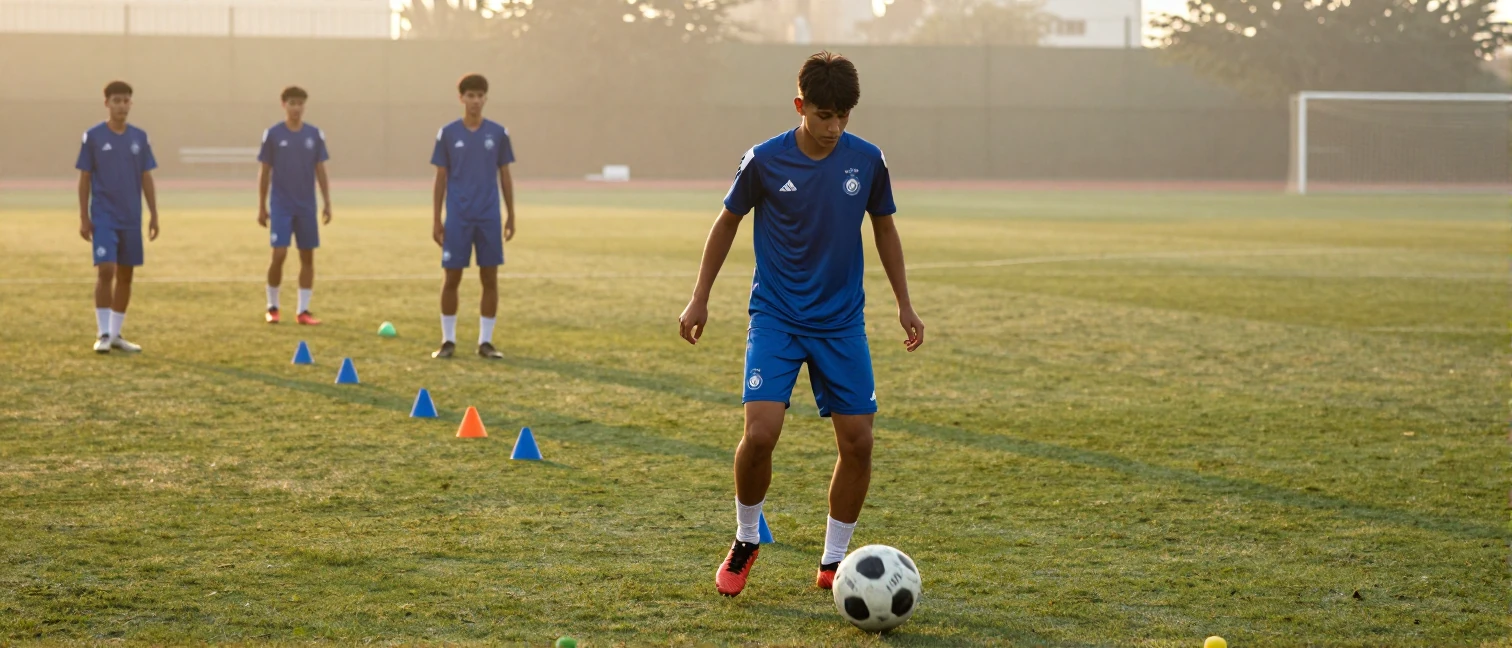
Steve Clarke stepped down after Scotland’s exit from the 2026 World Cup, a tournament that began with a historic 1‑0 win over Haiti but ended with a 3‑0 loss to Brazil and a narrow defeat to Morocco. Lambert, speaking to reporters, praised Clarke’s three‑tournament run but said the team’s under‑performance highlighted deeper flaws. “We focus on results which I think is all wrong for kids playing football,” he said, urging a shift toward developing players as people and athletes.
Lambert believes the current system limits the talent pipeline feeding the national side. He noted that Scotland does not produce enough top‑level footballers to sustain success. “You can't get away from the fact that qualification for major tournaments is most important, but going deeper than that you’ve got to look at change to the whole Scottish football structure,” he added. The former captain’s comments come as the Scottish FA reviews its academy funding and coaching pathways.
Scotland’s recent form offers a mixed picture. The side recorded a 4‑0 victory over Liechtenstein on 9 June 2025, yet its latest two matches read 1W‑0D‑1L. The table below summarises the latest data:
| Match | Result |
|---|---|
| Liechtenstein vs Scotland (2025‑06‑09) | 0‑4 Scotland |
| Recent form (last 2) | 1W‑0D‑1L |
These numbers illustrate that while the team can dominate weaker opposition, it still struggles against higher‑ranked foes, reinforcing Lambert’s call for a broader developmental approach.
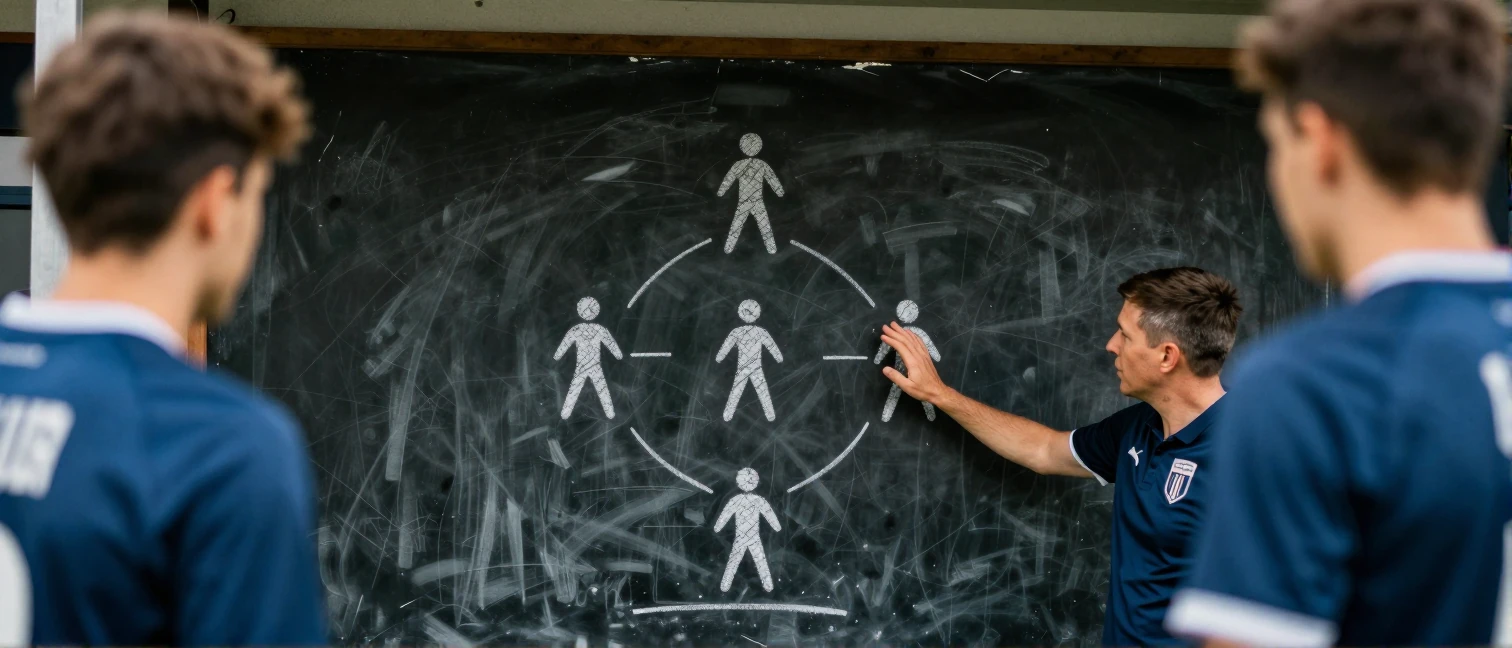
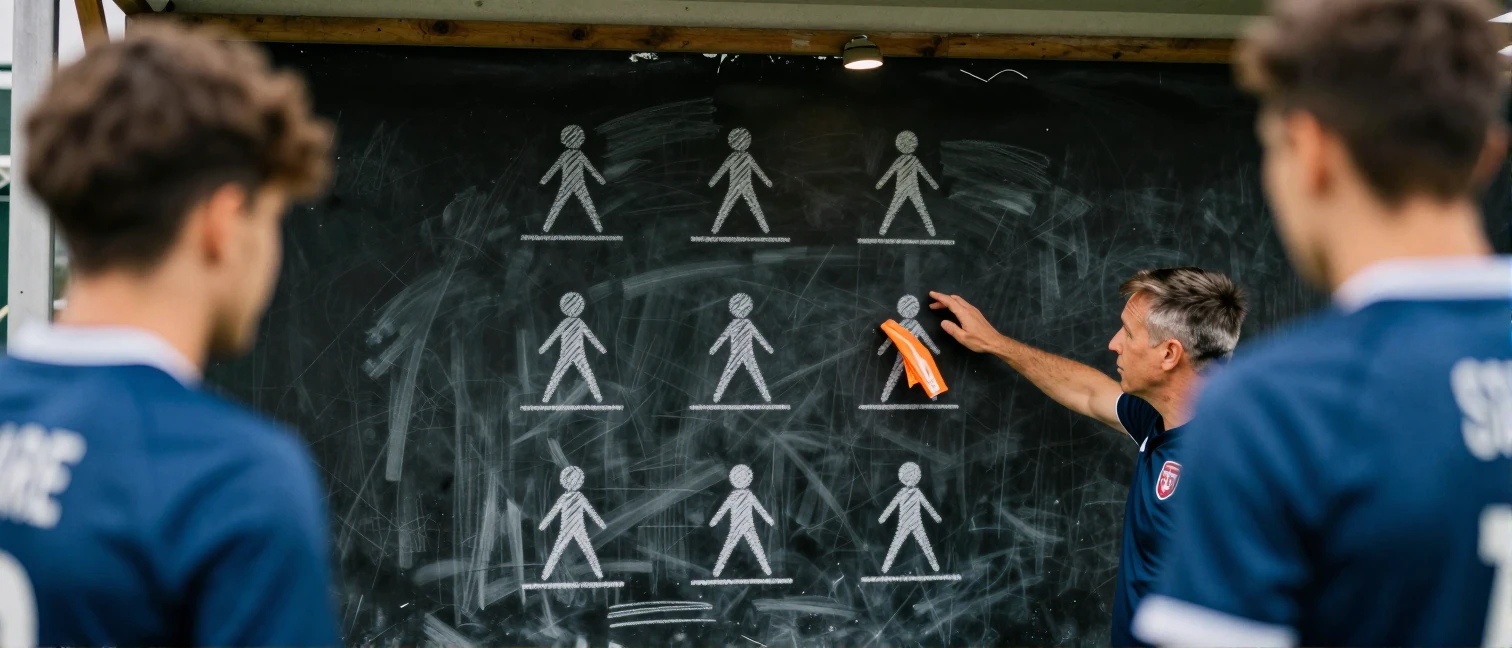
If the FA embraces Lambert’s suggestions, we might see a revamp of youth curricula, greater investment in coaching education, and a tighter link between club academies and the national program. Such reforms could produce a deeper talent pool, reducing reliance on a few star players and improving resilience in future tournaments. For now, the conversation sparked by Clarke’s departure may be the catalyst Scotland needs to rebuild its footballing foundation.