 Scotland Hub
In the lead-up to the FIFA World Cup 2026, the Scotland national team has shown flashes of brilliance but remains inconsistent in their performances. As the Tartan Army gears up for their campaign, a closer examination of their tactical approach could unveil essential tweaks to boost their chances of success.
Recent Tactical Observations
Scotland's recent matches have highlighted a few recurring themes. One of the most notable aspects has been their defensive solidity, particularly in games where they maintained a disciplined shape. However, while their backline has performed admirably, the attacking phase has often lacked creativity and fluidity, resulting in a reliance on set-pieces or individual moments of brilliance.
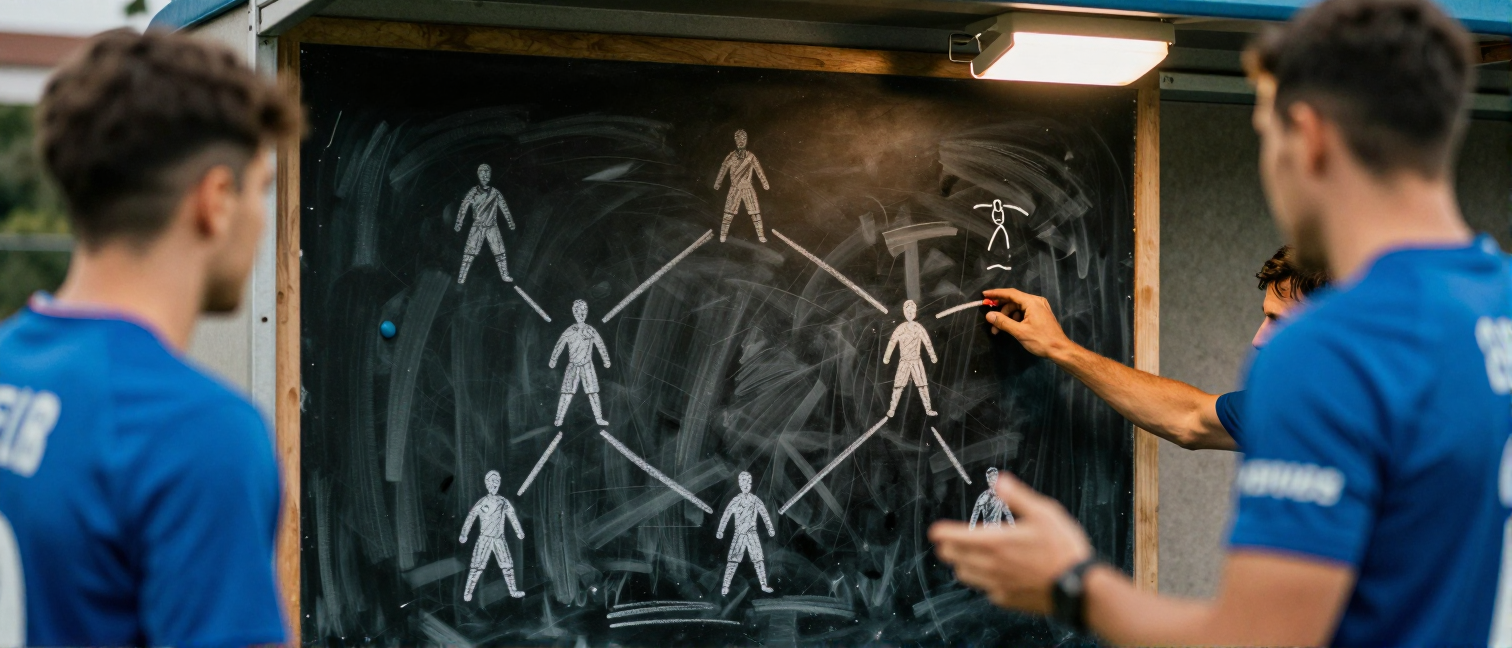
A key observation is the use of a 4-2-3-1 formation, which has its merits in providing a solid midfield base. However, it can sometimes stifle creativity in the final third. The two central midfielders often find themselves too deep, limiting the number of players in advanced positions. This has been especially evident against teams that sit deep, where Scotland has struggled to break down organized defenses.
Suggested Tactical Tweaks
1. Transition to a 4-3-3 Formation: By shifting to a 4-3-3 formation, Scotland can increase their attacking presence. This formation allows for a more fluid midfield dynamic, enabling the wide forwards to exploit the flanks while the central midfielder can push up to support the attack. This shift could be particularly beneficial against teams that play a high press, as it allows for quick transitions and overloads in wide areas.
2. Utilizing Full-Backs in Attack: The full-backs have shown the ability to contribute offensively, but they often remain too conservative. Encouraging Andrew Robertson and Kieran Tierney to overlap more frequently could create width and stretch opposition defenses. This would not only help in creating space for attackers but also provide additional crossing opportunities inside the box.
3. Encouraging Central Creativity: The midfield trio must be empowered to take risks in possession. Players like Scott McTominay and Billy Gilmour should be encouraged to push higher up the pitch, linking up play between midfield and attack. Their ability to break lines with passes can unlock stubborn defenses, something Scotland has struggled with in recent outings.
4. Pressing Strategy: Implementing a coordinated pressing strategy could disrupt opponents' build-up play. Scotland has shown glimpses of effective pressing but lacks consistency. By adopting a more aggressive approach, especially in the opposition’s half, Scotland can regain possession higher up the pitch and create immediate goal-scoring opportunities.
Conclusion
As the Tartan Army embarks on their World Cup journey, these tactical adjustments could be vital in enhancing their performance. Fine-tuning their formation, exploiting the full-backs, promoting central creativity, and adopting a more aggressive pressing approach can transform Scotland into a more formidable side. With the right tweaks, the Tartan Army could make a significant impact on the world stage in 2026.