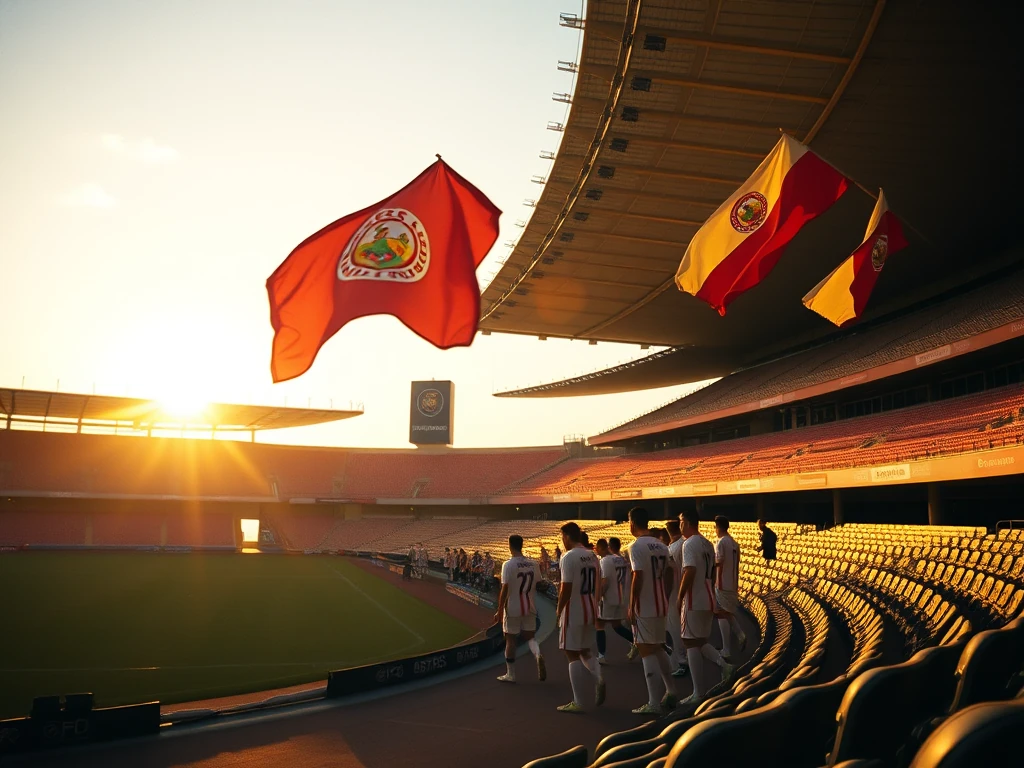

The landscape of Scottish football has been punctuated by a series of unsavoury incidents lately, particularly concerning pitch invasions at club level. However, amidst this chaos, Scotland's manager Steve Clarke has taken a moment to commend the Tartan Army for being the ‘acceptable face’ of Scottish football fans. As the nation gears up for the FIFA World Cup 2026, it’s key to reflect on the role of fans and the implications of their behaviour on the broader footballing community.
The Tartan Army’s Passion and Identity
The Tartan Army is renowned for its unwavering support and distinctive identity, often characterised by camaraderie and good-natured revelry. This group of fans has consistently shown their dedication to the national team, creating an atmosphere that is both vibrant and welcoming. Unlike some recent incidents of pitch invasions at club matches, the Tartan Army has maintained a standard of behaviour that reflects positively on Scottish football.
- Supportive Atmosphere: The Tartan Army fosters a sense of belonging and pride among fans.
- Positive Engagement: Their support often transcends football, engaging in charitable activities and promoting a positive image of Scottish culture.
- Creative Expression: Known for their colourful banners and songs, they contribute to the rich mix of football culture.
Clarke's acknowledgement of the Tartan Army’s role is not merely a nod to their enthusiasm but also a call to differentiate between the passionate support at the international level and the darker sides of club football. The Tartan Army is a sign of what football fandom can and should represent.
Recent Pitch Invasions: A Growing Concern
In stark contrast to the spirit of the Tartan Army, recent pitch invasions at club matches have become a troubling trend, raising questions about fan behaviour in Scottish football. These incidents often lead to significant repercussions, not only for the clubs involved but also for the reputation of Scottish football as a whole.
The latest invasions have sparked debates about safety, security, and the integrity of the game. While some may argue that these invasions stem from a place of passion, the potential consequences are severe and far-reaching. Clubs face hefty fines and potential sanctions, while the safety of players and officials is compromised.
- Impact on Clubs: Financial penalties and potential points deductions can affect league standings and club operations.
- Player Safety: The risk of injury during such invasions raises serious concerns among players and coaching staff.
- Fan Experience: Genuine fans may become reluctant to attend matches due to safety concerns, impacting attendance and atmosphere.
The actions of a few can tarnish the image of many, and it's key for all stakeholders in Scottish football to work towards a solution that prioritises safety while preserving the passion that fans bring to the game.
What Clarke’s Comments Mean for Scottish Football
Clarke’s praise for the Tartan Army serves as a reminder of the positive influence that fans can have on the game. As Scotland prepares for the FIFA World Cup 2026, the emphasis on creating a supportive and inclusive environment is more critical than ever. The Tartan Army’s example sets a standard for how fans should engage with the sport.
This positive recognition could also influence the behaviour of fans at club level, encouraging a shift towards more supportive and less disruptive forms of engagement. Clarke’s comments may inspire clubs and fan groups to come together, fostering dialogues about how to maintain passionate support while ensuring the safety and integrity of the game.
- Encouraging Dialogue: Clarke’s remarks could lead to discussions between clubs and fan groups to establish common ground.
- Promoting Inclusivity: Emphasising a positive fan culture could encourage more individuals to engage with football, increasing attendance and support.
- Building a Legacy: The Tartan Army’s reputation can help shape the future of Scottish football, creating a legacy of positive engagement.
The Broader Context: Scottish Football's Future
The future of Scottish football hinges not only on the performance of national and club teams but also on the behaviour and culture surrounding the sport. With the looming FIFA World Cup 2026, there is a unique opportunity for Scotland to shows a united front, where passion for the game is expressed positively.
Also, as Scottish teams often struggle against more prominent leagues, fostering a supportive fan culture can help elevate the game domestically and internationally. By focusing on the positive aspects of fandom, Scotland can create an environment that nurtures talent and promotes respect for the sport.
- International Reputation: A positive fan culture bolsters Scotland's image on the global stage, particularly ahead of the World Cup.
- Developing Young Fans: Engaging younger audiences through positive experiences can help cultivate lifelong supporters.
- Strengthening Community Ties: Football can serve as a unifying force in communities, bringing people together for a common cause.
Fan Reactions and Outlook
The reaction from fans following Clarke's comments has been overwhelmingly positive, with many expressing gratitude for the recognition of their role in supporting the national team. Social media platforms have been abuzz with discussions about the importance of maintaining the Tartan Army’s reputation in light of recent events. Many fans have called for more initiatives that promote positive behaviour at matches and greater collaboration between clubs and supporters.
Several fan groups have already initiated campaigns aimed at reinforcing positive behaviour, encouraging fans to celebrate their teams without resorting to disruptive actions. This proactive stance is vital for fostering a culture where respect and support are most important, not only at the international level but throughout Scottish football.
- Increased Engagement: Fans are eager to participate in discussions about how to improve matchday experiences.
- Community Initiatives: Many are coming together to support local charities and initiatives, reinforcing the positive image of Scottish football.
- Long-term Commitment: Fans are committed to maintaining a supportive atmosphere, recognising that their behaviour impacts the sport’s future.
What’s Next
As Scotland approaches the FIFA World Cup 2026, it is essential for fans, clubs, and governing bodies to unite in creating an environment that prioritises safety, respect, and positive engagement. Clarke’s acknowledgment of the Tartan Army is a clarion call for all involved to reflect on their responsibilities as supporters of the game.
Moving forward, there is an opportunity for Scottish football to redefine what fandom means. By learning from the recent pitch invasions and focusing on the positive aspects of support, Scotland can ensure that the upcoming World Cup serves as a celebration of football, community, and culture. The Tartan Army can lead the way, setting an example that resonates not only within Scotland but across the global football community.