The Journey to the USA
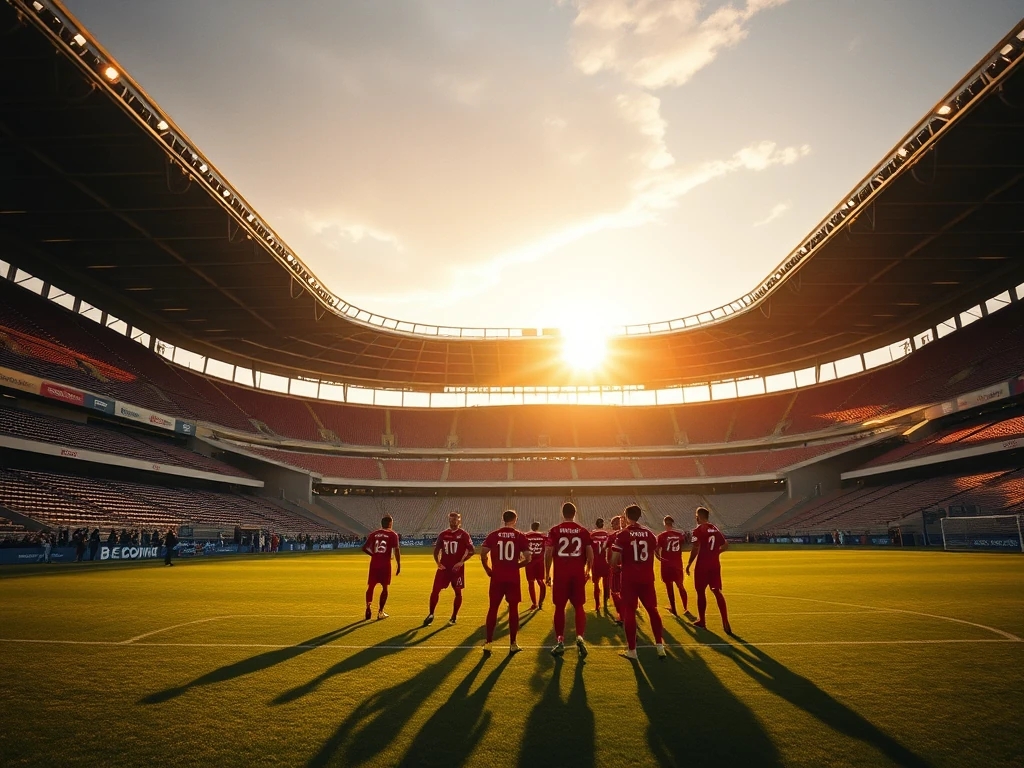
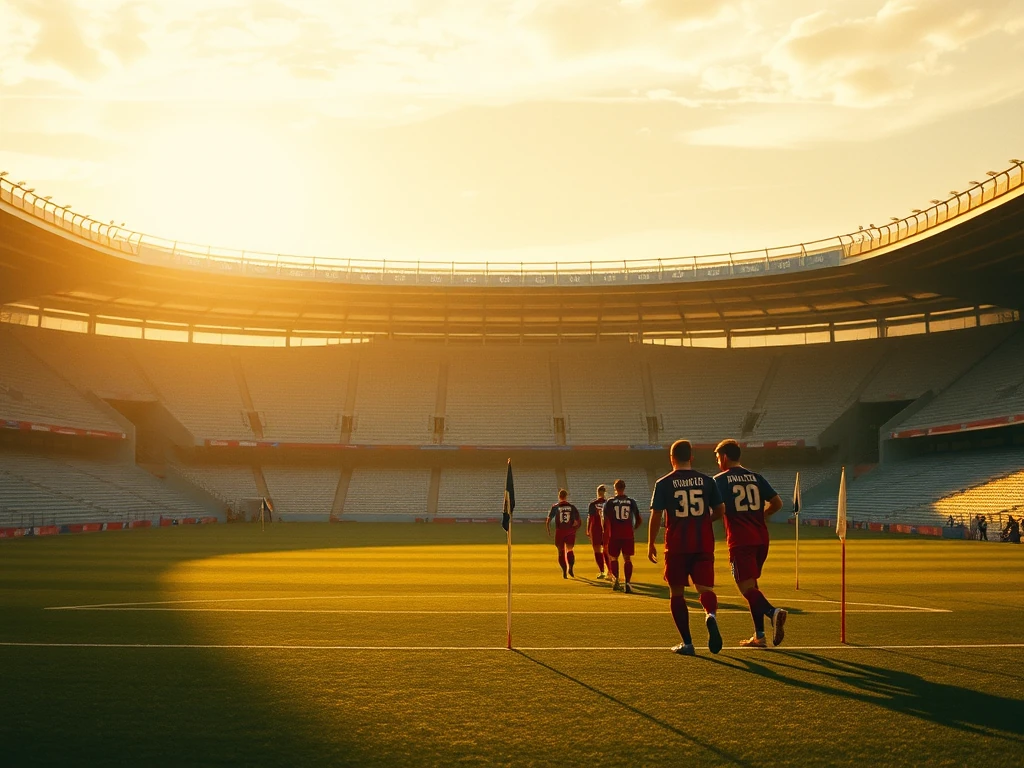
Scotland's national football team is gearing up for its much-anticipated appearance in the FIFA World Cup 2026, set to kick off in just two weeks. The Tartan Army will descend on Boston, Massachusetts, for their opening group game, creating a buzz that echoes far beyond the pitch. Fans are eager to see how the Scots will fare against some of the world's best teams, and anticipation is building for what could be a historic tournament.
The significance of this World Cup for Scotland cannot be understated. After a prolonged absence from the tournament, the prospect of competing on such a grand stage ignites passion among supporters and players alike. This isn't just a game; it's a chance for redemption and to shows the evolution of Scottish football.
Squad Highlights and Key Players
Manager Steve Clarke has assembled a squad that blends youth and experience, with several players making headlines in their respective clubs. Names like Andrew Robertson and Kieran Tierney provide defensive solidity, while the attacking prowess of Che Adams and Ryan Christie offers hope for scoring goals in key matches.
- Andrew Robertson - Captain and left-back, known for his leadership and work rate.
- Kieran Tierney - Key defender with an eye for a forward pass, providing width.
- Che Adams - Talented forward, key for breaking down tight defenses.
- Ryan Christie - Versatile midfielder, capable of creating chances and scoring.
Each player brings something unique to the table, and their collective experience will be vital in handling the challenges of the tournament. As the Scots prepare for their stateside adventure, it’s clear that the right blend of tenacity and skill could lead to success.
Tactical Breakdown
Scotland's tactical approach under Clarke has evolved significantly. The team is expected to adopt a flexible formation, likely shifting between a 4-3-3 and a 3-5-2 depending on the opponent. This adaptability allows them to control the midfield while providing width through overlapping full-backs.
The midfield trio will likely consist of John McGinn, Scott McTominay, and Billy Gilmour, combining physicality with technical ability. This setup is designed to dominate possession and create goal-scoring opportunities while maintaining defensive stability.
- The use of wing-backs will be key in stretching the opposition.
- Quick transitions will be vital, especially against teams that play a high line.
- Set pieces could prove a valuable scoring method, capitalising on height and strength.
Scotland's preparation matches leading up to the tournament will be key in fine-tuning these tactics and ensuring players are in sync.
What This Means for Scotland
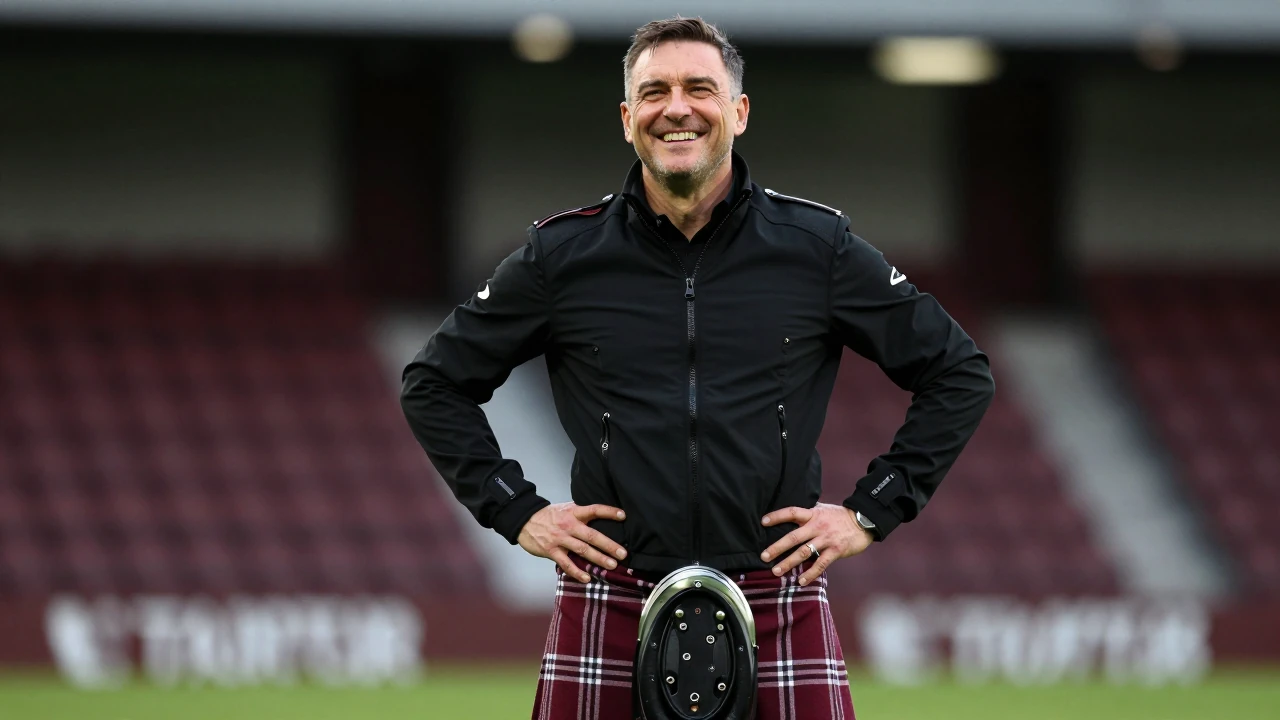
For Scotland, the World Cup represents more than just a series of matches; it’s a chance to reconnect with its footballing heritage. Fans have longed for moments like this, where the national team can compete among the best in the world. The Tartan Army is renowned for its unwavering support, and their presence in Boston will undoubtedly create a vibrant atmosphere.
The emotional investment from fans is immense, with many planning their trips to the USA as a pilgrimage of sorts. This World Cup could redefine how Scotland is perceived on the global stage, fostering a sense of pride and unity among supporters.
The Wider Championship Picture
Scotland's successful qualification for the World Cup has implications beyond just their matches. It raises the profile of Scottish football in general, providing exposure to young talents in the domestic leagues. The Scottish Premiership could see an influx of interest, with clubs benefiting from the visibility of their players on an international stage.
Also, Scotland's performance could impact UEFA rankings and qualification for future tournaments. A strong showing could encourage investment in the sport at all levels, from grassroots to professional.
- Increased visibility for Scottish clubs and players.
- Potential for future talent development and investment.
- Influence on UEFA rankings and future qualification processes.
The ripple effect of Scotland's participation in the World Cup could foster a new era of growth for football in the country.
Fan Reaction and Outlook
The excitement among fans is palpable, with many taking to social media to express their hopes and predictions for the tournament. The Tartan Army is known for its creativity for fan culture, and this World Cup will be no different. Expect to see plenty of themed gatherings, songs, and celebrations both in the stands and across the cities where Scotland plays.
Those who’ve followed Scotland over the years are cautiously optimistic. Recent performances in qualifiers have shown promise, but the pressure of a World Cup is a different beast. Fans are ready to rally behind their team, regardless of the outcome.
Critics will argue that the Scots face an uphill battle against stronger footballing nations. The flip side is that this underdog status can galvanize the team and its supporters, creating an environment ripe for upsets. The unpredictability of tournament football means anything can happen, and Scotland fans are ready to believe in the impossible.
What's Next
As the countdown to the opening match continues, the Scottish team will undergo final preparations, focusing on fitness and tactical drills. The first match on 18 June 2026 will set the tone for the tournament. A strong start could propel the Scots into the knockout stages, while a lackluster performance might lead to early elimination.
The Tartan Army's journey stateside is about more than just football; it's about community, pride, and the love of the game. Regardless of the outcome, this World Cup is set to be an unforgettable chapter in Scotland's footballing history.