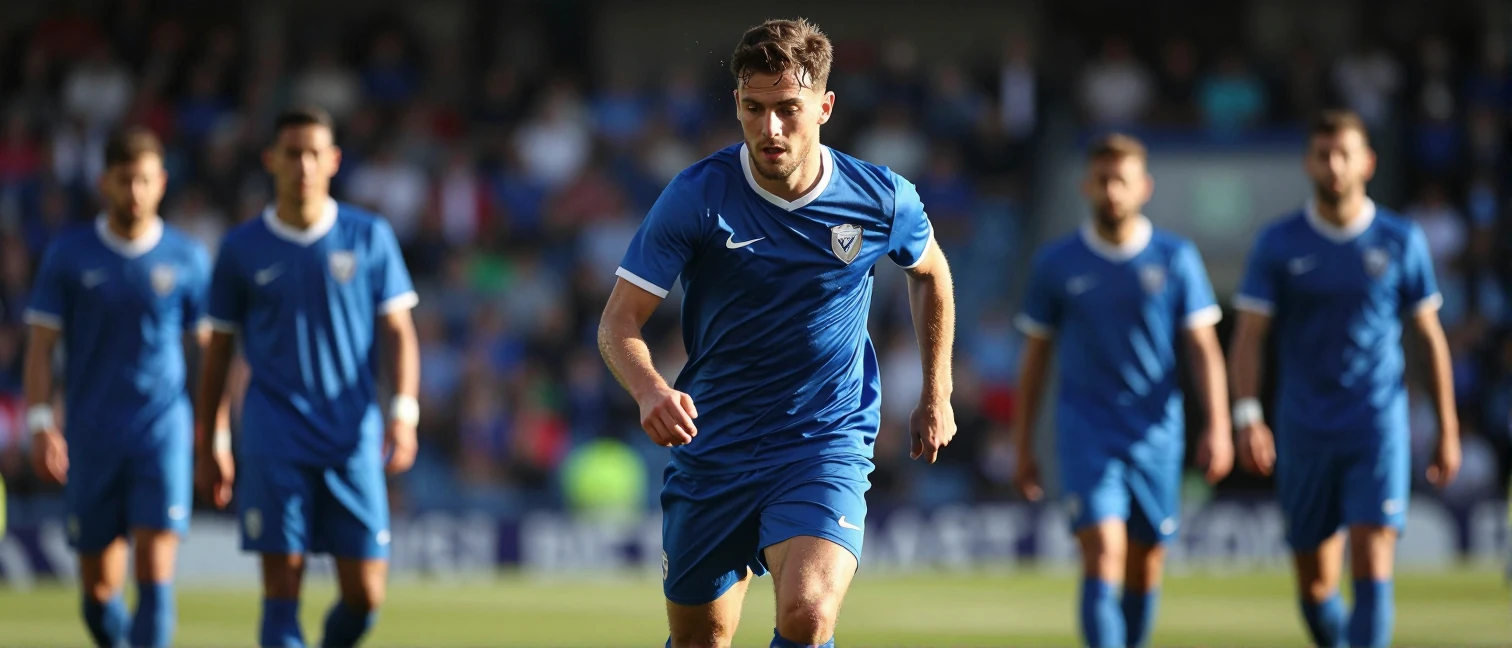
Scotland will compete as a separate team in the 2026 FIFA World Cup, a tradition rooted in football history. Despite being part of the United Kingdom, Scotland, along with England, Wales, and Northern Ireland, has maintained its own national team since the sport's early days. This unique arrangement stems from the UK's key role in developing football and FIFA's recognition of their historical significance. Last result: Scotland 0-3 Brazil (2026-06-24).
The UK's status as the birthplace of football is the primary reason Scotland and the other home nations compete separately. After the English Football Association (FA) established the first universal laws in 1863, England and Scotland played the first international match in 1872. The Scottish Football Association (SFA) was founded shortly after, followed by the Football Association of Wales (FAW) and the Irish Football Association (IFA). These bodies formed the International Football Association Board (IFAB), which still governs the sport's rules today.
When FIFA was founded in 1904, the UK's national associations were already well-established. Their influence and historical contributions made it impractical to force them into a single team. FIFA recognized their importance and allowed them to retain their separate identities. This special status was later enshrined in FIFA's statutes, ensuring Scotland's continued participation as an independent team. Recent form (last 5): 3W-0D-2L (LLWWW, most recent first); lost the last 2.
Scotland's next fixture is against Slovenia on September 26, 2026. As they prepare for the World Cup, the team will look to build on their historical legacy while aiming for success on the global stage. Next fixture: vs Slovenia (away, 2026-09-26).