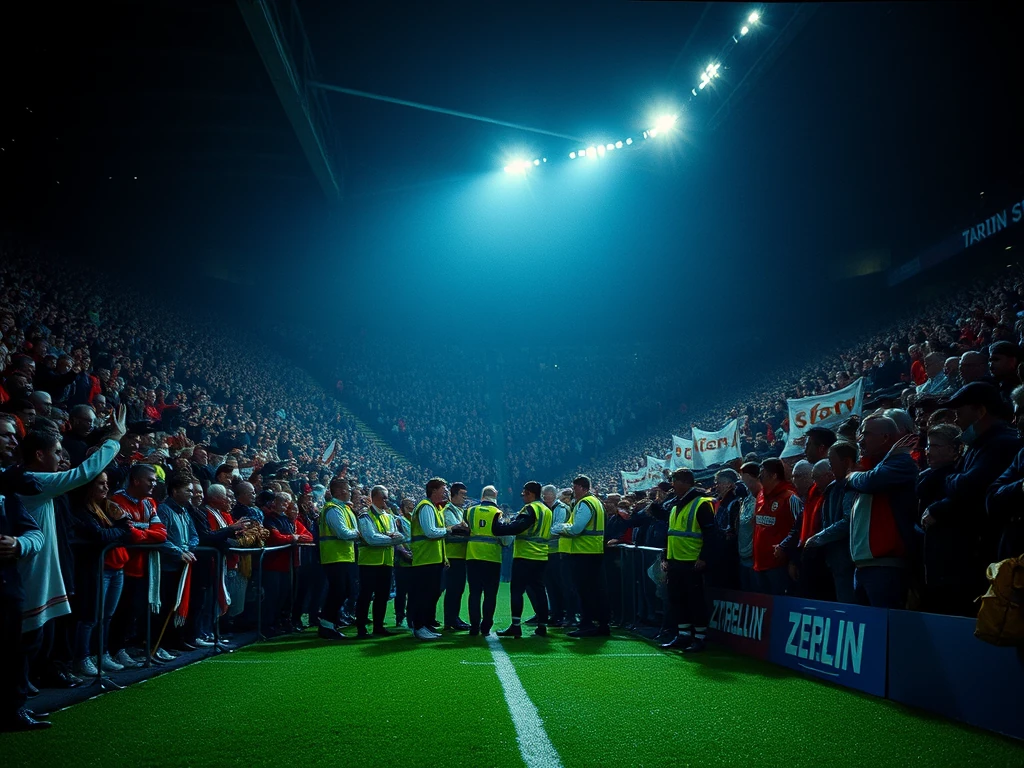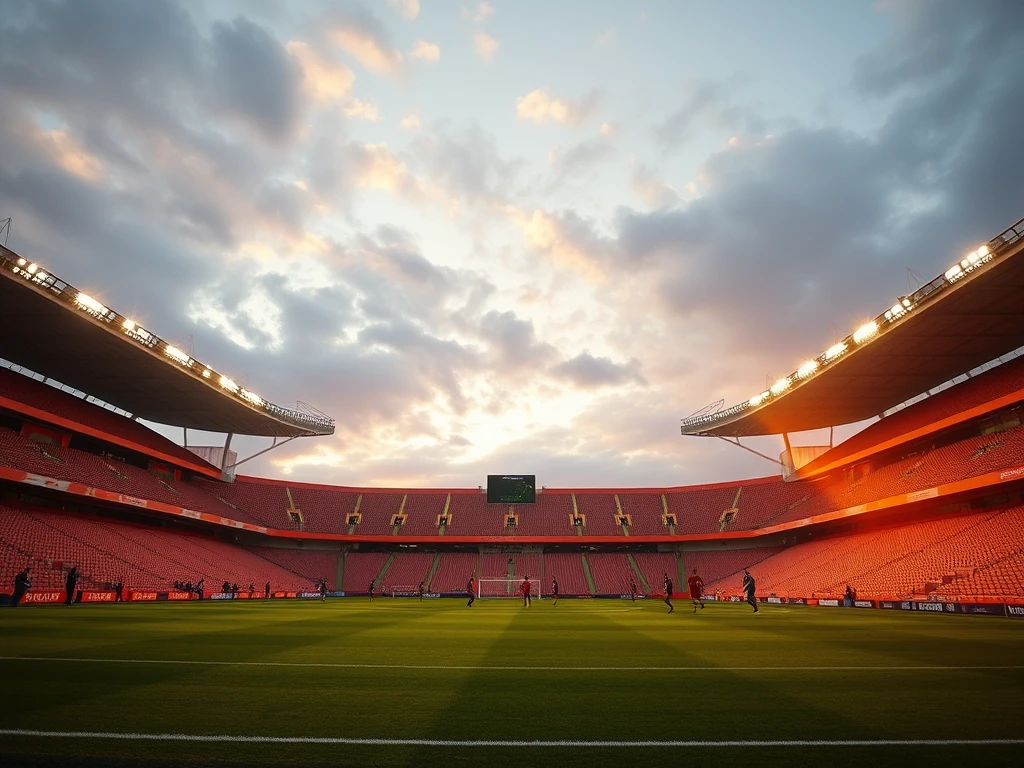

With the Tartan Army heading to the FIFA World Cup 2026 for the first time in 28 years, excitement is palpable among fans, players, and the Scottish football community alike. This momentous occasion isn’t just about football; it’s a chance for Scotland to showcase its passion on a global stage and potentially drive change in federal sports regulations in the U.S. The hopes for reform are encapsulated by Simon Howie, who believes this visibility could spark a shift in how football is perceived and regulated in America.
The Journey Back to the World Stage
Scotland's qualification for the FIFA World Cup 2026 has been a long and arduous journey, especially following their absence since 1998. Under the guidance of manager Steve Clarke, the team has shown resilience and skill, finishing strongly in their qualifying group. Key players like Andrew Robertson and Kieran Tierney have been pivotal, showcasing their talents in both club and international fixtures. The Tartan Army, renowned for their unwavering support, has been a constant source of motivation for the squad, and their presence in the U.S. is bound to be felt throughout the tournament.
- Historic Qualification: First World Cup appearance in 28 years.
- Manager: Steve Clarke has reinvigorated the squad.
- Key Players: Andrew Robertson, Kieran Tierney, and others leading the charge.
- Fan Culture: The Tartan Army’s legendary support will be on display.
What this means for Scotland
For Scotland, this World Cup appearance is more than just a football tournament; it represents a cultural renaissance. The Tartan Army’s long-awaited return to a global football stage symbolizes the nation’s determination and resilience. Fans can expect a vibrant atmosphere filled with iconic chants, kilts, and a display of national pride that will resonate with Scottish expatriates and locals alike in the U.S.
Moreover, this opportunity could influence perceptions of football in America. As the U.S. continues to grow as a footballing nation, Scotland's participation may inspire changes in how football is integrated at a federal level, potentially leading to increased support for grassroots initiatives and better funding for youth programs.
The Potential for Change in American Football
Simultaneously, the Tartan Army's presence at the World Cup could lead to discussions about the structure of American football governance. Simon Howie’s hopes for reform stem from the idea that international exposure can shed light on the benefits of a more inclusive and supportive framework for the sport. Currently, the U.S. Soccer Federation faces criticism for its governance and disparities in funding compared to other sports.
- Highlighting the need for better governance in U.S. football.
- Raising awareness of grassroots initiatives.
- Potential collaborations between Scottish and American football communities.
Critics will argue that focusing on cultural exchange and international presence might not directly impact the bureaucratic structures at play in U.S. football. They point out that systemic issues within the federation run deep, and mere visibility at a global event won’t lead to immediate changes. However, the narrative surrounding the Tartan Army can serve as a catalyst for conversation and change.
Fan Reaction and Outlook
The excitement among fans is palpable as they prepare for this historic moment. Social media is abuzz with hashtags like #TartanArmy and #ScotlandWorldCup, capturing the enthusiasm and anticipation for the tournament. Fans are organizing travel plans, creating merchandise, and even forming fan groups to cheer on their team in various venues across the U.S.
The atmosphere surrounding the Tartan Army’s return is a unique blend of nostalgia and hope. Older fans recall their experiences from 1998, while younger supporters are eager to create new memories. This collective enthusiasm showcases the deep-rooted connection between the fans and their national team.
The Wider Championship Picture
Scotland's qualification for the 2026 World Cup also has implications beyond its borders. The tournament is set to expand, welcoming more teams than ever before. This shift opens the door for nations that historically struggled to qualify, fostering a more competitive environment. It allows smaller nations like Scotland to dream bigger and potentially upset more established footballing powers.
Moreover, the presence of the Tartan Army could galvanize support for other nations within the UK, as fans rally together to represent their heritage. The camaraderie among British fans can create an electric atmosphere that will enhance the tournament's overall appeal.
What's next
Looking ahead, Scotland’s preparations for the FIFA World Cup 2026 will be critical. The team will need to hone their tactics and build on their recent successes in qualifying. Friendlies and training camps will be essential as they adapt to the style of play expected at the World Cup.
For fans, the journey to the U.S. will be a celebration of Scottish culture and football. Whether it’s through local events or watching matches at home, the Tartan Army is poised to make their voices heard, leaving an indelible mark not only on the tournament but also on the future of football in both Scotland and America.