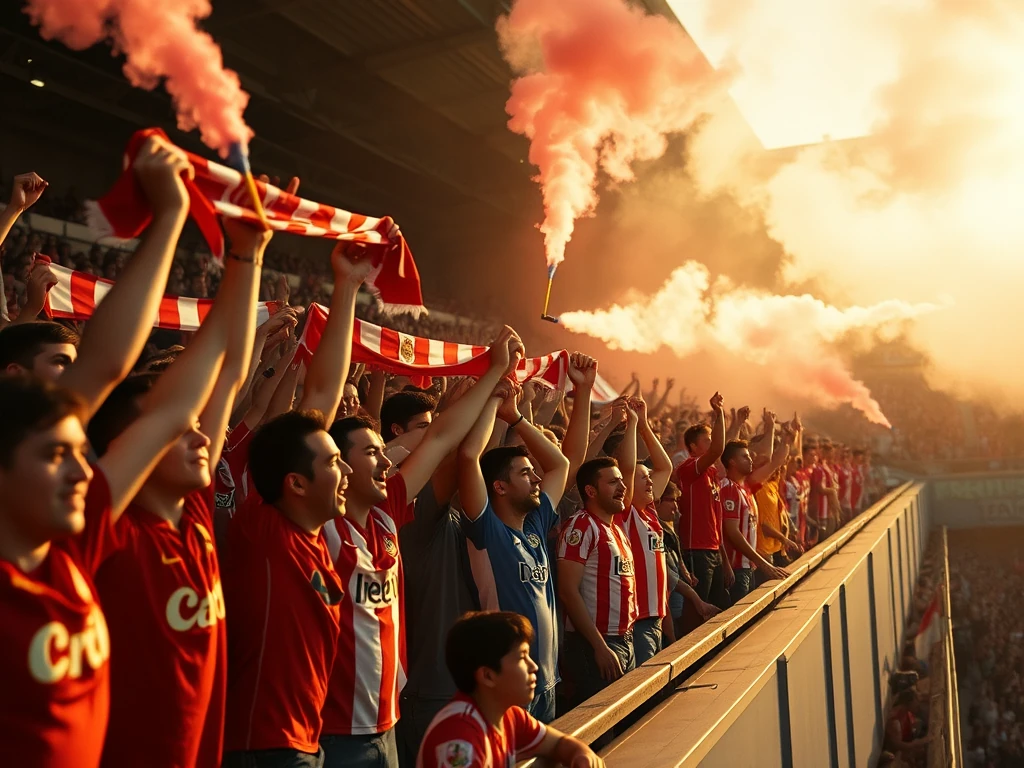

A Journey Through Scotland's Football Heart
David Spooner’s recent Scotland City Tour as part of the ΑΧΩ Sacred Britain Expedition offers an exciting opportunity to explore the rich tapestry of Scotland's football history. This journey isn’t just about visiting iconic venues; it’s about understanding how football intertwines with the nation’s identity. From the bustling streets of Glasgow to the historic corners of Edinburgh, Spooner's tour highlights the deep-rooted passion Scots have for the game.
The tour serves as a reminder of Scotland’s long-standing football legacy, especially as the nation looks forward to the FIFA World Cup 2026. With the Tartan Army gearing up for this monumental event, Spooner's expedition provides a timely context to celebrate and reflect on Scotland's football journey.
The Meaning Behind the Expedition
Spooner’s expedition isn’t merely a travelogue; it’s a narrative that encapsulates the spirit of Scottish football and its cultural significance. Each stop on the tour represents a chapter in Scotland’s football story, revealing how the sport has been a unifying force throughout the nation’s history.
- Celtic Park and Ibrox Stadium in Glasgow embody the fierce rivalries that have shaped the game.
- Murrayfield Stadium, primarily known for rugby, showcases a broader sporting culture that embraces football as well.
- The majestic Hampden Park shines as the home of Scottish football, hosting countless historic moments.
This tour emphasizes the importance of preserving these sites, not only for their historical value but also for their role in fostering community and national pride.
Scotland's Football Legacy in Context
Scotland's football history is rich and complex, marked by both triumphs and moments of disappointment. The Scotland national team has faced challenges on the international stage, yet the spirit of the fans remains unbroken. Historical matches, such as the famous Scotland 2-1 England encounter in 1999 during the Euro 2000 qualifiers, continue to resonate with supporters.
As the nation prepares for the FIFA World Cup 2026, it’s crucial to understand how past performances influence current aspirations. While Scotland has not qualified for a World Cup since 1998, the momentum generated by recent successes in the UEFA Euro 2020 has rekindled hope among fans and players alike.
The Scottish football narrative is not just about results; it’s about the people, the communities, and the passion that fuels the game. Spooner’s tour aims to capture this essence, shedding light on how football reflects the broader Scottish identity.
Key Locations and Their Impact
The Sacred Britain Expedition takes fans to various pivotal locations that have left an indelible mark on Scotland’s football heritage. Each venue contributes to the overarching theme of community, resilience, and pride. Here are some notable stops on the tour:
- Celtic Park: Known as Paradise, it is not only the home of Celtic FC but also a symbol of the club's rich history and cultural significance.
- Ibrox Stadium: The iconic home of Rangers FC, representing one of the fiercest rivalries in football.
- Hampden Park: The national stadium of Scotland, where dreams are made and shattered.
- Easter Road: Home to Hibernian FC, offering insights into the heart of Edinburgh’s football culture.
These sites are not just locations; they are vibrant hubs where history, culture, and sport converge. Spooner’s exploration of these venues reinforces their importance in understanding Scotland's football landscape.
Fan Reactions and Community Engagement
The reaction from fans to Spooner’s expedition has been overwhelmingly positive. Many supporters have taken to social media to share their experiences and insights, showcasing how the tour resonates with their love for the game.
- Local clubs and community groups have embraced the initiative, organizing events and discussions around the themes presented during the tour.
- The Tartan Army, known for their unwavering support, has expressed excitement about the upcoming FIFA World Cup 2026, drawing inspiration from Spooner’s exploration of Scotland’s football roots.
This engagement highlights the importance of community in football. As fans rally around their teams, they also recognize the broader narrative that connects them to their history and each other.
What This Means for the Future of Scottish Football
As Scotland prepares for the FIFA World Cup 2026, the insights gained from Spooner’s journey can serve as a catalyst for future development in Scottish football. Understanding the historical context of the sport may inspire new generations of players and fans.
The expedition emphasizes the need for: - Youth Development: Investing in grassroots football to nurture talent from a young age. - Community Engagement: Building stronger connections between clubs and their local communities. - Cultural Preservation: Recognizing the historical significance of venues and promoting them as part of Scotland’s cultural heritage.
These initiatives can help revitalize the sport in Scotland, ensuring that the passion for football continues to thrive beyond the pitch.
What's Next
David Spooner’s Sacred Britain Expedition has opened a dialogue about Scotland's football legacy, but it’s only the beginning. As the country gears up for the FIFA World Cup 2026, there’s an urgent need to harness the enthusiasm generated by this journey.
Going forward, fans and stakeholders must collaborate to ensure that Scotland not only participates in the tournament but also makes a lasting impact. By embracing their history and fostering community engagement, Scotland can build a footballing future that pays homage to its storied past while inspiring the next generation of players and supporters.