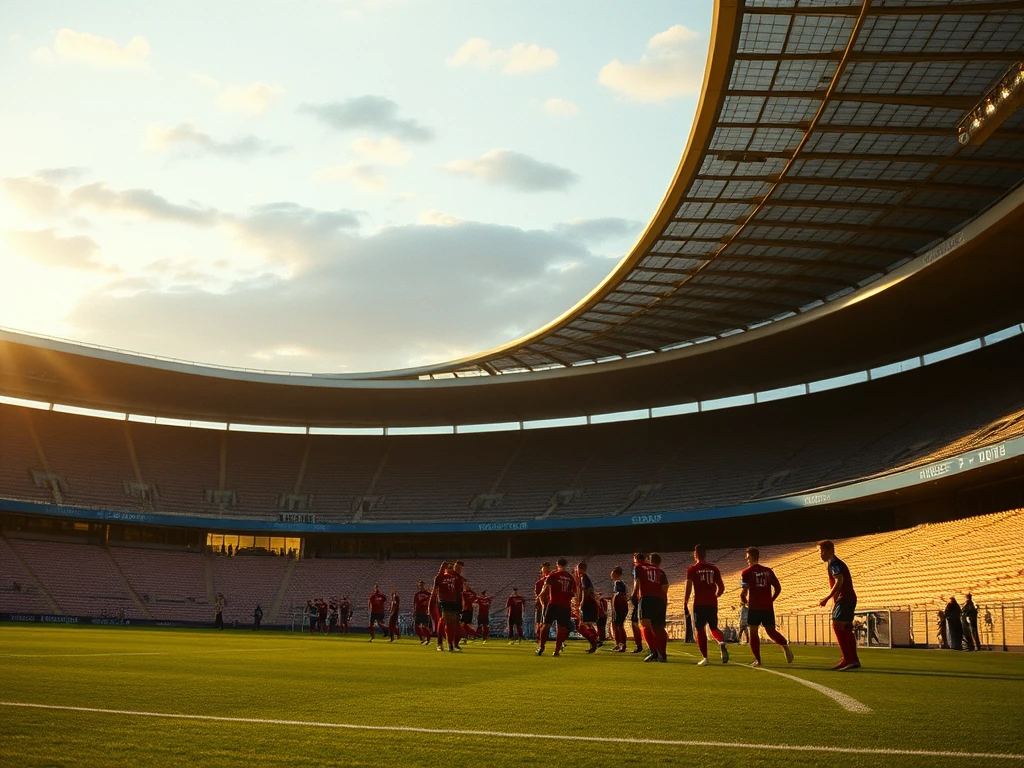

Tactical Adjustments for Scotland's World Cup 2026 Journey
As the Tartan Army prepares for the FIFA World Cup 2026, Scotland's recent performances have sparked discussions about tactical adjustments that could enhance their chances on the global stage. While the team has shown promise, particularly in their defensive organization and midfield control, there are several areas where tweaks could make a significant difference in their overall effectiveness.
Current Tactical Landscape
Scotland has generally employed a solid 4-2-3-1 formation, which has provided defensive stability while allowing for some attacking flair. The midfield duo of Scott McTominay and Callum McGregor has been effective in breaking up opposition play and transitioning the ball forward. However, this setup has occasionally led to a lack of creativity in the final third, especially against teams that sit deep.
Suggested Formation Tweaks
1. Shifting to a 4-3-3 Formation: Transitioning to a 4-3-3 could unleash more attacking potential. By adding an additional midfielder, Scotland could control the midfield battle more effectively, allowing players like McTominay to push forward and support the attack. This change could create overloads in central areas and provide better service to the front three.
2. Use Wing Play: Scotland has some dynamic wingers in their ranks, such as Ryan Fraser and Jacob Brown. By encouraging wider play, the team can stretch opponents and create space for central attackers. This would allow for more crosses into the box and exploit the aerial prowess of forwards like Lyndon Dykes.
Player Role Adjustments
The role of the full-backs is also key. Currently, Andrew Robertson and Kieran Tierney provide width and defensive cover, but their attacking contributions can be optimized. Encouraging them to overlap more frequently and engage in higher positions could stretch defenses and create additional goal-scoring opportunities.
Enhancing Defensive Cohesion
At the back, while the central defensive pairing of Grant Hanley and Jack Hendry has been solid, enhancing communication and coordination during set pieces is essential. Scotland has conceded from corners and free-kicks in recent matches, which could be detrimental in high-stakes World Cup encounters. Implementing specific drills focusing on set-piece situations in training could bolster this aspect of their game.
Conclusion: A Path Forward
As the Tartan Army eyes a successful World Cup campaign, these tactical adjustments can make a vital difference in Scotland's performance. By adopting a more dynamic formation, use width effectively, and enhancing defensive strategies, Steve Clarke's side can increase their chances of making a significant impact in the tournament. The road to the World Cup is challenging, but with the right tweaks, Scotland can turn potential into reality.